A technical comparison to help you understand the differences between IP and analog video surveillance cameras and choose the right solution.
Analog cameras capture an image and transmit it as an analog signal over coaxial cable directly to a recording device (DVR – Digital Video Recorder), where the signal is digitized. IP cameras, on the other hand, digitize the image within the camera itself and transmit the data over a network – typically via Ethernet cable – to a recording device (NVR – Network Video Recorder) or network storage. This difference affects virtually every other aspect of the system, from image quality to cabling and remote access capabilities.
IP cameras generally support significantly higher resolution than traditional analog cameras, which means a more detailed image – useful, for example, for facial or license plate recognition at greater distances. Analog cameras were historically limited to lower resolution, though newer generations of analog systems (such as HD-analog technologies) have narrowed this gap somewhat. Overall, if maximum image detail is the priority, IP cameras generally offer a higher ceiling.
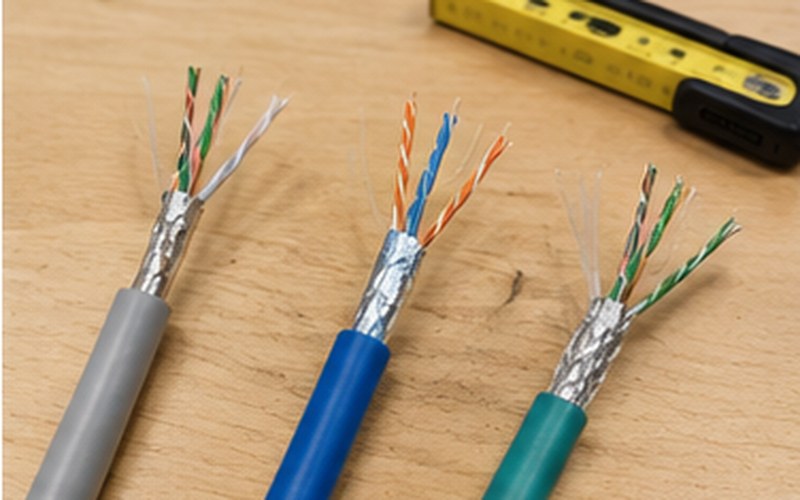
Analog systems typically require coaxial cable for the video signal and a separate cable for power at each camera – meaning two separate cable runs to every camera. IP cameras often support PoE (Power over Ethernet) – a technology that allows both data and power to be transmitted over a single Ethernet cable. This simplifies installation, reduces the number of cables needed and the number of power connection points required, which can be a significant advantage, especially at sites where power isn't conveniently available at the camera locations.
| Criterion | Analog cameras | IP cameras |
|---|---|---|
| Signal processing | Digitized at the recorder (DVR) | Digitized in the camera itself |
| Cabling | Coaxial cable + separate power | Ethernet, often with PoE (data + power in one cable) |
| Resolution | Lower–medium (depending on technology) | Generally higher |
| Remote access | Possible, but usually less flexible | Usually simpler and more flexible integration |
| Scalability | More limited, depends on DVR channel count | Generally easier to expand on the network |
| Cost for a small system | Often lower | Can be comparable or higher |
Values are indicative – specific equipment specifications and prices vary by manufacturer and model.
Because IP cameras already operate within a network environment, they're generally easier to integrate with mobile apps, cloud storage and other network systems – such as access control or smart home platforms. Remote access to an analog system typically requires the DVR device to be connected to the network and configured for remote access, which is also possible, but integration options with other systems are generally more limited.
For small systems with just a few cameras, the total cost of an analog system is often lower – both in equipment and installation. For larger, more complex systems where high resolution, flexible expansion and integration with other systems matter, IP solutions often become the more economically sound choice in the long run, despite higher upfront costs. The most accurate cost comparison for a specific project is best determined after an on-site assessment.
IP systems are generally easier to expand – new cameras can be added to the network as long as network infrastructure and sufficient NVR/storage capacity are available. Expanding an analog system is often limited by the DVR device's channel count – once that's reached, the entire recording device needs to be replaced. If you're planning to expand your system in the future, this is worth considering at the initial decision stage.
If you already have an existing analog system in good condition that meets your needs, a complete replacement isn't always necessary. For a new project without existing infrastructure, an IP solution generally offers better long-term flexibility, higher image quality and simpler integration with other systems. For a small, budget-constrained project, an analog system can still be a practical solution. The best way to decide is to evaluate the specific site, existing infrastructure and long-term needs together with a specialist.
We assess your site and needs to recommend the most suitable video surveillance technology and camera placement.
Fill in the form – we'll get in touch to discuss your needs.
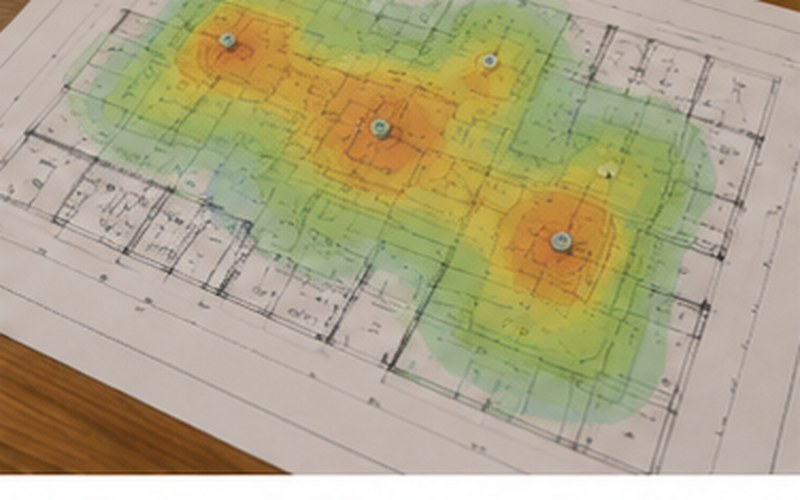
A practical method for estimating the number of cameras your site needs.
Read →
Request a free consultation – we'll get in touch to discuss your needs.
We'll contact you within 5 minutes of submitting the form