A reliable computer network foundation for homes and offices: thoughtful cable route design, precise installation and long-term maintenance.
A structured cabling system is an organized, standardized computer network cabling infrastructure that connects workstations, equipment and the network cabinet into one clear, unified system. Unlike haphazardly run cables, a structured system makes it easy to add new devices, quickly locate faults, and delivers a stable connection for the long term. We design cable routes to match your room layout, build the system using Cat5e, Cat6 or Cat6A cabling depending on load and future needs, and then offer ongoing maintenance so the network keeps running reliably for years to come.
A poorly built cabling system often goes unnoticed until a problem appears – the network becomes unstable, a new device can't be connected without extra work, or nobody remembers which cable connects to what. That's why we pay attention not only to running the cable itself, but also to route planning, labeling and documentation – so that any other specialist can quickly understand how the system is built in the future. We work both on new projects from scratch and on expanding or tidying up existing installations that no longer meet your needs.
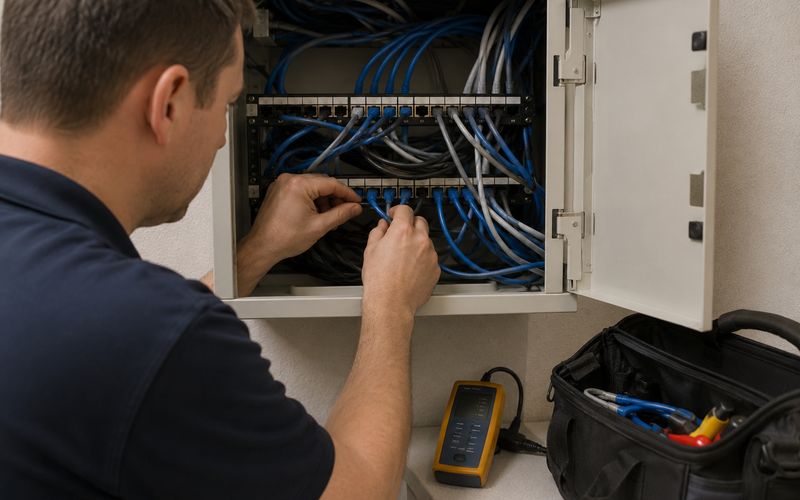
Written proposal before work begins
Every connection tested before handover
Clearly labeled and documented system
We assess room layout and usage so cable routes are efficient and visually tidy.
We run Cat5e/Cat6/Cat6A cabling through walls, floors or cable ducts, preserving the room's aesthetics.
We install and organize patch panels and network cabinets with clear cable labeling.
We test every connection before handover and offer ongoing system maintenance.
A structured cabling system isn't the first step in every situation – sometimes a well-planned Wi-Fi network is enough. But there are several signs that a wired network is the right solution: if you have several fixed workstations that need a stable connection (a home office, gaming PC, streaming device), if you're planning a server room or several network equipment hubs, if your existing Wi-Fi can't deliver enough speed for large file transfers, or if the building has multiple floors that need to be connected with a reliable link. In an office setting, a structured cabling system becomes especially important as soon as the number of employees or connected devices exceeds what a wireless solution alone can comfortably and reliably handle.
For a renovation or new build, installing a structured cabling system at the design stage is considerably simpler and cheaper than running cables after the walls are already finished. If you're planning a renovation or new construction, we recommend getting in touch early in the planning process so the cable routes can be integrated into the overall electrical and finishing plan.
A structured cabling system is typically built on one of three copper cable categories – Cat5e, Cat6 or Cat6A. Each delivers a different maximum speed and distance:
The right category depends on your network load, cable run length and future needs – we evaluate this together during the consultation. If you'd like to explore the topic in more detail before deciding, see our full Cat5e vs Cat6 vs Cat6A comparison with a complete technical table.
In a private home or apartment, a structured cabling system usually means a handful to a dozen connection points – in the home office, the living room near the TV, the home theater, or wherever the server/NAS device sits. Here the main priority is discreet cable placement so it doesn't affect the room's look, and positioning outlets where they'll actually be used long-term.
In an office or commercial setting, the scale is usually larger – dozens or hundreds of connection points that need to be brought together in one or more network cabinets with a clear patching scheme. Here, the system's expandability also matters – the ability to add new workstations or equipment in the future without a major rebuild – along with documentation that lets any IT specialist quickly find their way around the system if changes or maintenance are needed by someone else.
Fill in the form or contact us to discuss your room layout and needs. At this stage you don't need to know the exact cable count or category yet – we'll work that out together.
We prepare a cable route plan and a written proposal that fits your space, budget and future needs. You receive the proposal before any work begins.
We carry out cable installation, install outlets and the network cabinet, and test the entire system before considering the work complete.
We offer ongoing system maintenance and expansion as your needs grow or your use of the space changes.
Not sure which cable category to choose? See our Cat5e vs Cat6 vs Cat6A comparison.
Fill in the form – we'll get in touch to discuss your needs.
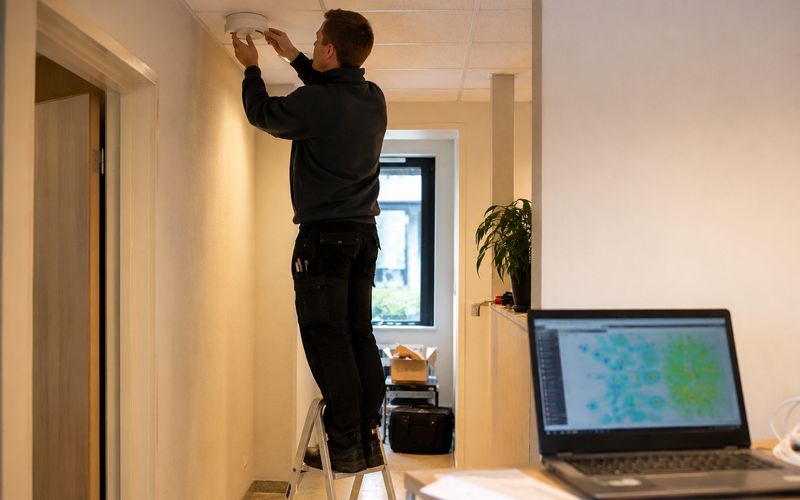
Wi-Fi network design and installation for homes and businesses.
Learn More →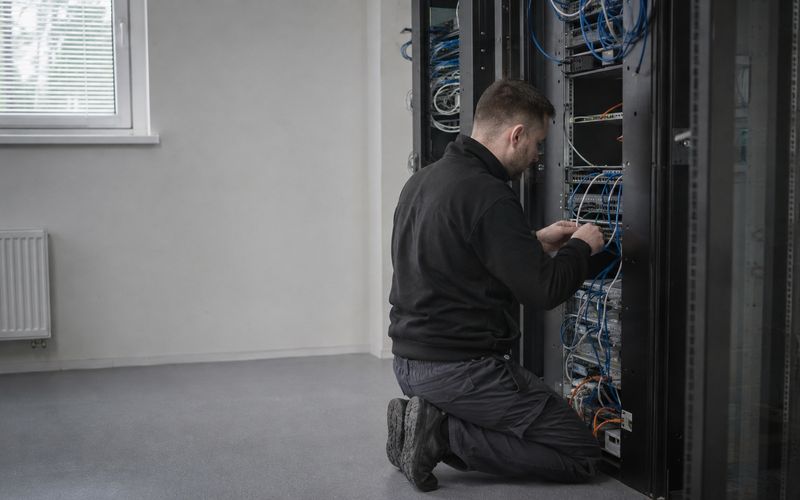
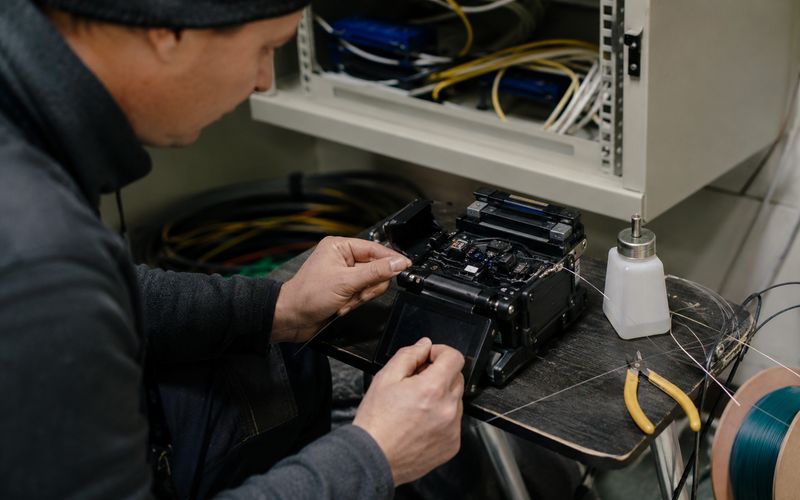
Request a free consultation – we'll get in touch to discuss your needs.
We'll contact you within 5 minutes of submitting the form