A general self-assessment guide to help you think through your home video surveillance camera placement before you start installation.
Home video surveillance is a common and legitimate way to increase your sense of security – monitoring an entrance, grounds or a vehicle. However, other people, including neighbors or passers-by, may also end up within a camera's field of view, which means camera placement isn't purely a technical question – it can also touch on other people's privacy and data protection interests. The checklist below helps you think through the main aspects in a structured way before cameras are installed – it is not an exhaustive list and does not replace individual advice.
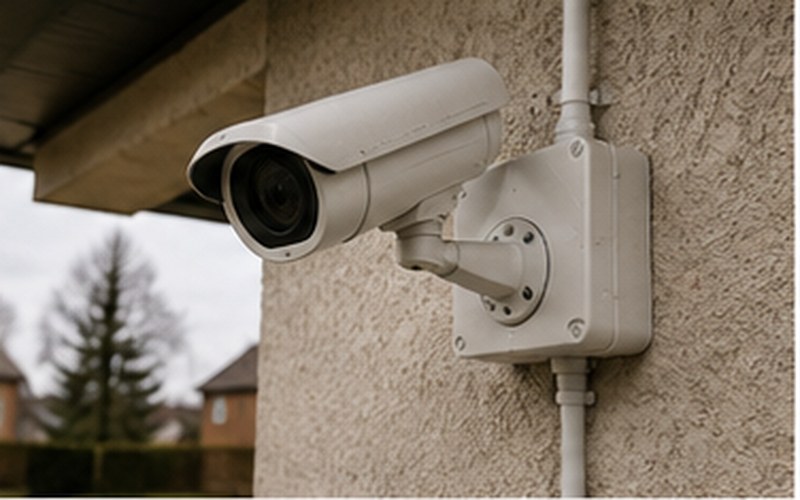
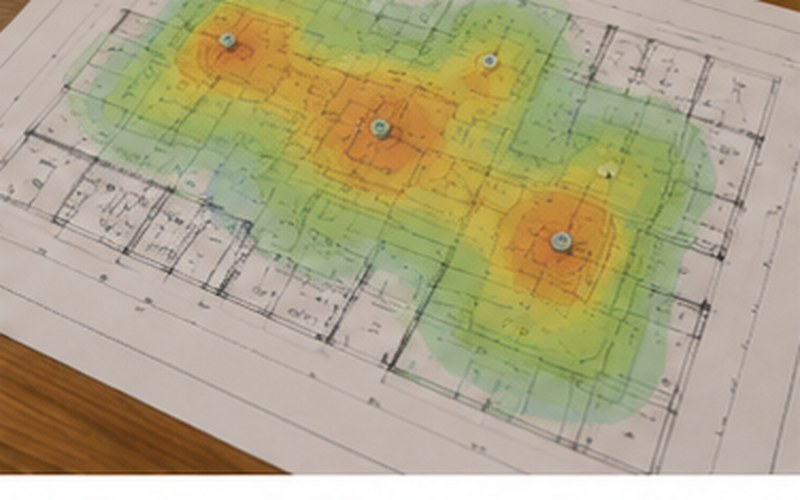
A generally accepted and practical approach is to plan the camera's field of view so that it mainly covers your own plot of land, house and its immediate surroundings – the entrance, parking area, boundary of the property. If the camera angle unavoidably also captures a neighboring property or shared area, it's worth considering whether the angle can be adjusted, or whether there is a clear, justified reason for that specific area to be filmed.
It's generally advisable to avoid a situation where a camera regularly and directly films a neighbor's yard, window or other private space without clear justification. If this seems unavoidable due to the site's layout, you may want to consider technical solutions – such as masking privacy zones in the camera's settings for specific parts of the scene, if the device supports it.
If the camera's field of view includes a broad public area (a street, a shared stretch of sidewalk) rather than just the view needed of your own entrance, it's worth considering whether that's proportionate to your security purpose. Again, the specific assessment depends on the situation, and it's best discussed with the relevant authority or a lawyer.
If you're considering a camera system that captures sound in addition to video, keep in mind that audio recording is often perceived and assessed differently from video alone and may be subject to stricter considerations. If you're not sure whether and under what circumstances audio recording is appropriate for your situation, this is exactly the kind of question worth consulting the Data State Inspectorate or a lawyer about, rather than relying on general information found online.
A visible notice or sticker indicating that video surveillance is in operation, placed at the entrance, is a common and practical approach that helps inform guests, delivery workers or passers-by that the area is being monitored. This is a generally accepted good-practice step, not a legal obligation asserted here – whether it's necessary in your specific case, and in what form, is a question to evaluate together with an appropriate specialist.
As the owner of a home video surveillance system, you essentially become the person responsible for the recorded footage – so it's worth asking yourself: how long is footage retained, where is it stored (on a local device or in the cloud), who has access to view or download recordings, and is that access protected by a password or other authentication? These are practical, thoughtful questions that help reduce risk regardless of the specific legal requirements in your situation.
After installation, it's advisable to actually check each camera's view – not just its theoretical placement, but the actual image it captures at different times of day and under different lighting conditions. Camera angles can shift over time due to wind, maintenance, or accidental contact, so periodic checks are a valuable practice.
This page summarizes general, practical considerations, but it is not and cannot replace official guidelines or legal advice. If you have specific questions about what's permissible in your situation, we recommend contacting the Data State Inspectorate (Datu valsts inspekcija), the Latvian authority overseeing personal data protection matters, or consulting a lawyer who specializes in this field. As video surveillance system installers, we help with the technical solution – designing, installing and configuring camera placement – but the legal assessment of your specific situation should always be carried out together with a competent authority or lawyer.
We help with camera selection, placement design and installation – please direct legal questions to the relevant authority or a lawyer.
This article complements our video surveillance system installation service.
Video Surveillance →Fill in the form – we'll get in touch to discuss your needs.
Request a free consultation – we'll get in touch to discuss your needs.
We'll contact you within 5 minutes of submitting the form